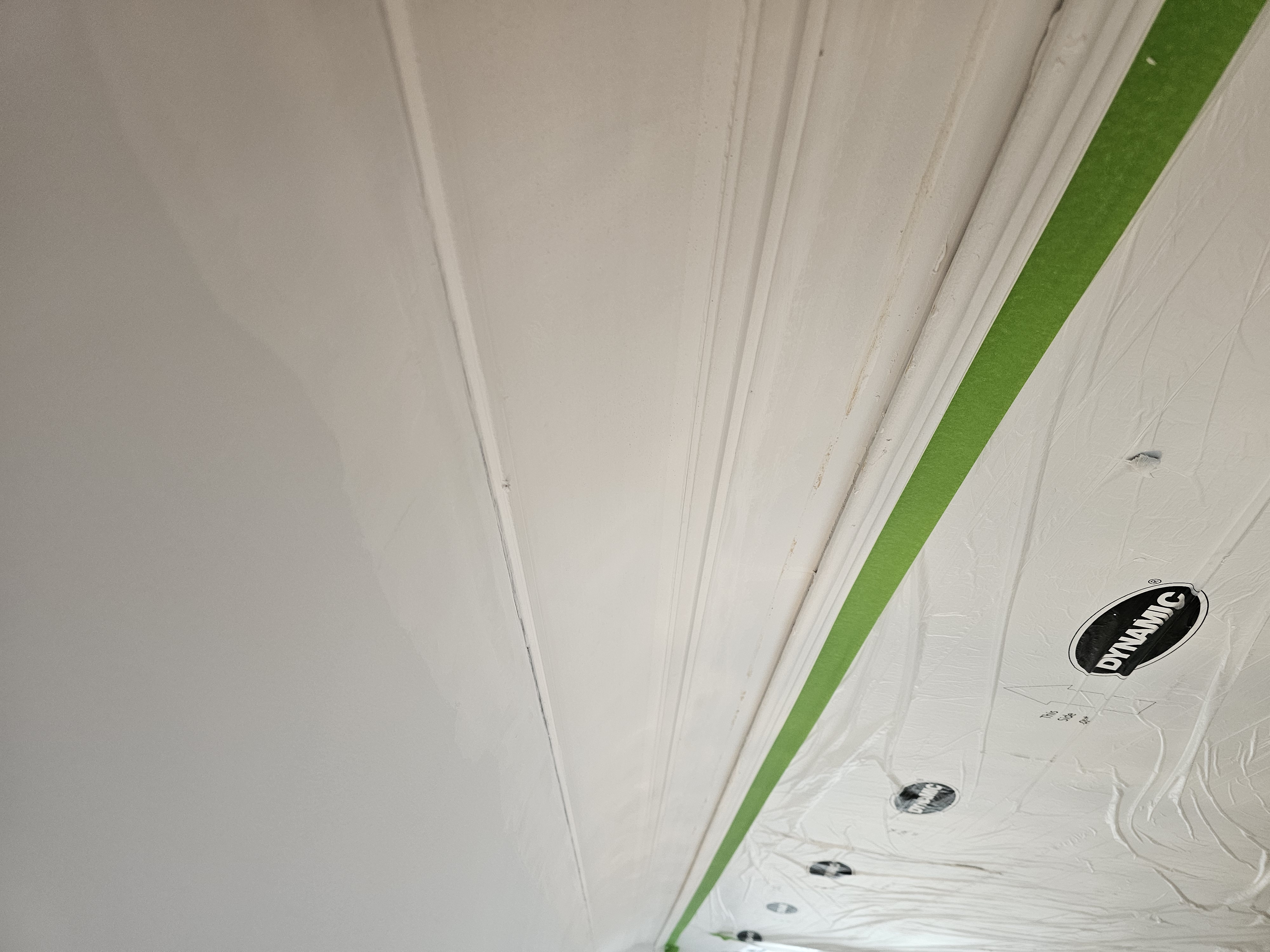
Plastering, an age-old craft with roots stretching back millennia, stands as a testament to human ingenuity in construction and design. From humble beginnings as a protective coating to its role in creating breathtaking artistic expressions, plastering's journey through time is a fascinating story of adaptation, innovation, and enduring relevance.
Ancient Origins and Early Innovations
The story of plaster begins in the cradle of civilization, the Middle East, as far back as 7000 BCE. Early humans discovered that mud, when applied to their rudimentary dwellings of twigs and reeds, provided added strength, insulation, and protection. This basic technique evolved over centuries, with different regions developing their own unique methods and materials.
- Mesopotamia (7000 BCE): Evidence suggests that early inhabitants of this region used plaster-like materials to seal and insulate their homes. They also combined plaster with bitumen for waterproofing, showcasing an early understanding of material science.
- Ancient Egypt (2500 BCE): The Egyptians refined the use of lime-based plaster, employing it extensively in the construction of monumental structures like the pyramids and tombs. Plaster not only provided a smooth surface for decoration but also played a crucial role in preserving these structures.
- Ancient India and China: Around the same period, renders of clay and gypsum plasters were used to create smooth surfaces on rough stone or mud brick walls.
- Roman Empire (4th Century BC): The Romans made significant strides in plaster technology. They discovered hydraulic lime by adding volcanic ash (pozzolana) to their mixes, which allowed the plaster to harden even underwater. Roman engineers used plaster extensively in their architectural marvels, contributing to their durability and longevity. They also used it to create large figurative reliefs for walls.
The Middle Ages and the Renaissance
During the Middle Ages, lime plaster continued to be a dominant material in Europe. Craftsmen used it to create intricate moldings and textured finishes in the grand cathedrals and castles of the Gothic and Romanesque periods.
The Renaissance witnessed a resurgence of interest in classical art and architecture, leading to a renewed appreciation for plaster's decorative potential. Fine stucco work became an art form, adorning the interiors of palaces, churches, and villas with elaborate designs and intricate details. Venetian plaster, with its polished, marble-like finish, emerged as a symbol of opulence and refined taste.
The Industrial Revolution and Modernization
The Industrial Revolution brought about significant changes in construction practices. The invention of drywall (plasterboard) in the early 20th century revolutionized interior wall construction, offering a faster and more efficient alternative to traditional lath and plaster. While drywall streamlined the process, traditional plastering continued to be valued for its durability, aesthetic qualities, and ability to create unique textures and finishes.
Plastering Today
Today, plastering remains an essential part of the construction industry, blending traditional techniques with modern materials and technologies.
- Structural applications: Plaster continues to provide durable and fire-resistant wall and ceiling finishes in both residential and commercial buildings.
- Decorative applications: Plaster is highly valued for its versatility in creating a wide range of decorative finishes, from smooth and minimalist to textured and ornate. Artisans use plaster to create:
- Cornices
- Moldings
- Ceiling roses
- Murals
- Sculptural elements
- Restoration and preservation: Plaster plays a vital role in preserving and restoring historical buildings and monuments, ensuring that their beauty and cultural heritage endure.
- Modern materials: While traditional lime plaster is still used, modern plaster formulations often incorporate gypsum, polymers, and other additives to enhance performance, workability, and sustainability.
In everyday living, plaster contributes to the comfort, aesthetics, and value of our homes and workplaces. It provides smooth, durable surfaces that enhance interior design, improve acoustics, and create a sense of solidity and permanence. From the simple, unadorned walls of a modern apartment to the intricate, ornamental plasterwork in a historic landmark, plaster continues to shape the spaces we inhabit.
The enduring legacy of plastering is a testament to its adaptability and timeless appeal. As we move forward, this ancient craft is poised to embrace new innovations while continuing to enrich our built environment with its beauty and functionality.